Get Interior Stairs Installation
Interior stairs installation services help property owners replace, upgrade, or add staircases for improved safety, accessibility, and aesthetic appeal in various residential or commercial projects.
Interior stairs installation is an important project for property owners looking to improve functionality, accessibility, or aesthetic appeal within their homes or commercial spaces. Whether upgrading existing staircases or adding new ones during renovations, many property owners find value in exploring local contractor options to find the right fit for their specific needs. Planning such projects involves considering the space, design preferences, and structural requirements, making it helpful to compare local service providers who specialize in interior stair installation.
By exploring options from local contractors, property owners can gather information on the range of services available and find professionals experienced in handling various styles and complexities. This process supports making informed decisions about the best approach for their property’s interior, ensuring the project aligns with both practical and aesthetic goals. Continuing to explore local options can help identify the right service providers to handle the work efficiently and effectively.
- Interior Staircase Installation - needed when upgrading or replacing existing stairs to improve safety or aesthetics.
- Custom Staircase Design - required for unique or architectural staircase projects that enhance interior spaces.
- Spiral or Circular Stairs - suitable for small or space-constrained areas needing stylish vertical access.
- Floating or Open Riser Stairs - ideal for modern interiors seeking a sleek, minimalist look.
- Wooden or Metal Staircase Construction - necessary when choosing durable materials to match interior decor and functionality.
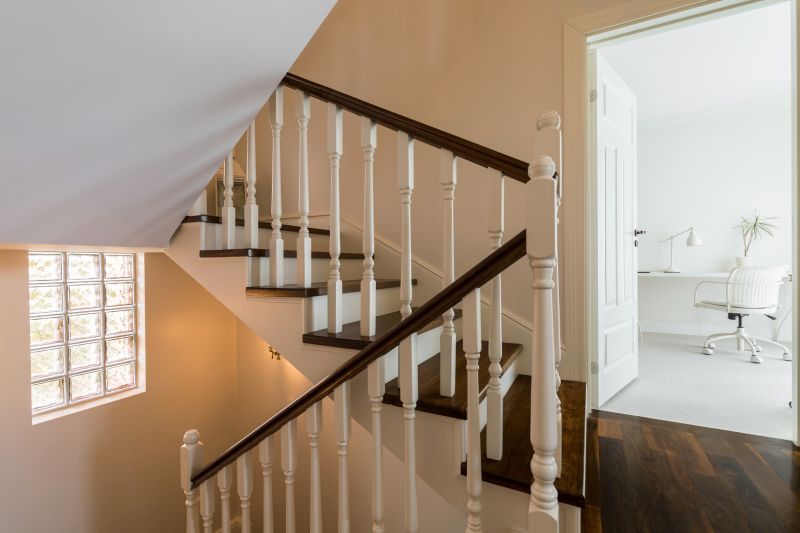
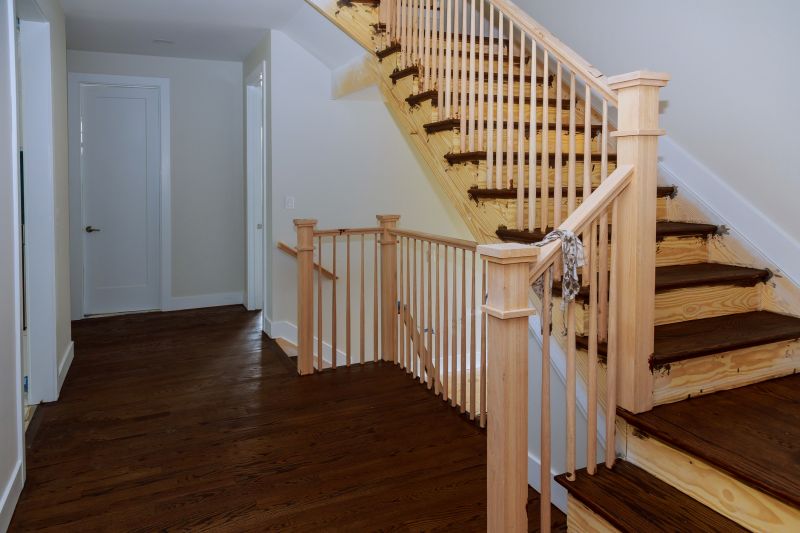
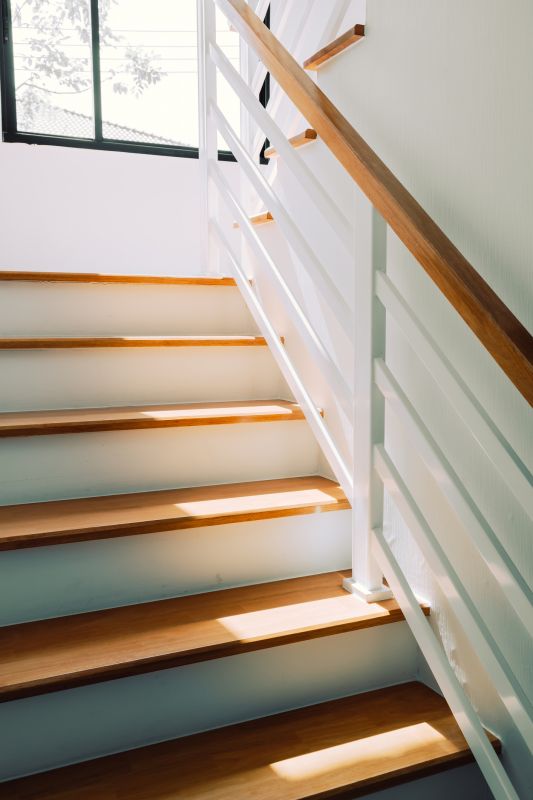
Interior stairs installation services involve the design, construction, and fitting of staircases within a home or building. This process typically includes selecting the appropriate materials, measuring spaces accurately, and ensuring that the stairs are both functional and aesthetically pleasing. Whether upgrading an existing staircase or installing a new one in a renovation project, experienced contractors focus on creating safe, durable, and visually appealing stairways that complement the property’s interior style.
These services help solve common problems such as inefficient or unsafe stair layouts, outdated designs, or the need to maximize space in multi-story homes. For homeowners planning a basement conversion, attic conversion, or multi-level renovation, installing new interior stairs can improve accessibility and flow between floors. Additionally, interior stairs installation can address issues related to uneven or damaged existing stairs, providing a safer and more reliable solution for everyday use.
Interior stairs are commonly used in a variety of property types, including single-family homes, townhouses, and multi-unit residential buildings. They are often a key feature in homes with multiple levels, where seamless access between floors is essential. Commercial properties, such as small offices or retail spaces with multiple stories, may also require professional stair installation to meet safety standards and design preferences. Regardless of the property type, local contractors can tailor stair solutions to fit the specific space, style, and functional needs of each project.
Choosing to work with experienced service providers ensures that the installation process is handled efficiently and to a high standard. From selecting the right materials-such as wood, metal, or glass-to designing stairs that fit the available space, local pros can help homeowners achieve a safe and attractive staircase. When considering interior stairs installation, it’s important to consult with professionals who understand the requirements of your property and can deliver a solution that enhances both safety and visual appeal.
The overview below groups typical Interior Stairs Installation projects into broad ranges so you can see how smaller, mid-sized, and larger jobs often compare in your area.
In many markets, a large share of routine jobs stays in the lower and middle ranges, while only a smaller percentage of projects moves into the highest bands when the work is more complex or site conditions are harder than average.
Smaller Repairs - Minor stair repairs or refinishing typically cost between $250 and $600. Many routine jobs fall within this range, especially when only surface work or minor adjustments are needed.
Standard Installation - Replacing or installing a standard set of interior stairs usually ranges from $1,200 to $3,500. Most projects in this category are straightforward and fall into the middle of this range.
Custom or Complex Projects - Custom-designed stairs or those with unique materials can cost between $4,000 and $8,000. Fewer projects reach into this higher tier, which is reserved for more elaborate designs.
Full Replacement - Complete staircase replacements, especially larger or multi-story setups, can range from $8,000 to $15,000 or more. These larger projects tend to be less common but are handled by experienced local contractors for complex jobs.
Actual totals will depend on details like access to the work area, the scope of the project, and the materials selected, so use these as general starting points rather than exact figures.
Deck and Staircase Construction - Building outdoor decks and staircases involves similar planning, framing, and finishing skills as interior stair installation, requiring precise measurements and carpentry expertise.
Custom Railing and Balustrade Installation - Installing decorative or functional railings for stairs shares techniques related to structural support, safety considerations, and aesthetic detailing with interior stair projects.
Flooring and Tread Replacement - Upgrading or replacing stair treads and flooring involves surface preparation, material selection, and installation methods comparable to interior stairway renovations.
Interior Wall Framing and Partitioning - Constructing interior walls and partitions requires framing, planning, and spatial layout skills similar to those needed for stairwell enclosures and landings.
Cabinet and Built-in Storage Installation - Installing built-in storage units and cabinetry around stairwells involves precise carpentry, planning, and fitting, aligning with interior stair installation techniques.
Handrail and Banister Fitting - Attaching handrails and banisters involves detailed measurement and secure fastening methods akin to those used in interior stairway systems.
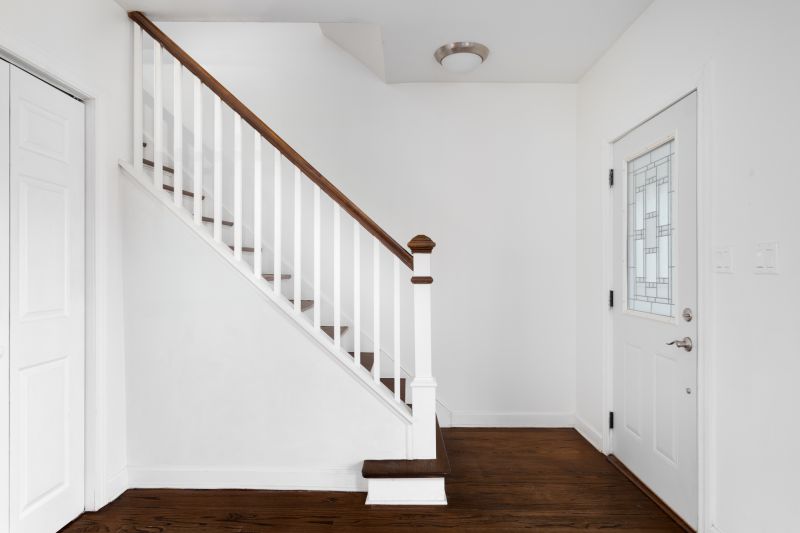
When comparing service providers for interior stairs installation, it’s important to consider their experience with similar projects. Homeowners should look for local contractors who have a track record of completing stair installations comparable in scope and style to the desired outcome. An experienced professional will understand the common challenges of stair projects, such as space constraints or design preferences, and can offer insights based on past work. This familiarity can help ensure the project proceeds smoothly and meets expectations.
Clear written expectations are essential when evaluating potential contractors. Homeowners should seek providers who can offer detailed descriptions of their process, materials, and scope of work in writing. Having a clear outline helps prevent misunderstandings and provides a reference point throughout the project. It’s also beneficial to ask for reputable references or examples of previous work to confirm the contractor’s ability to deliver quality results consistent with the homeowner’s vision.
Effective communication plays a key role in selecting the right interior stairs installation service provider. Homeowners should prioritize local contractors who are responsive, transparent, and willing to address questions or concerns promptly. Good communication ensures that expectations are aligned and that any issues are addressed early in the process. Since the site introduces homeowners to local options rather than performing the work itself, it’s important to connect with service providers who demonstrate professionalism and a clear understanding of the project’s requirements.
Property owners use Interior Stairs Installation services for practical projects around their homes and businesses. This guide focuses on everyday jobs and straightforward project options.
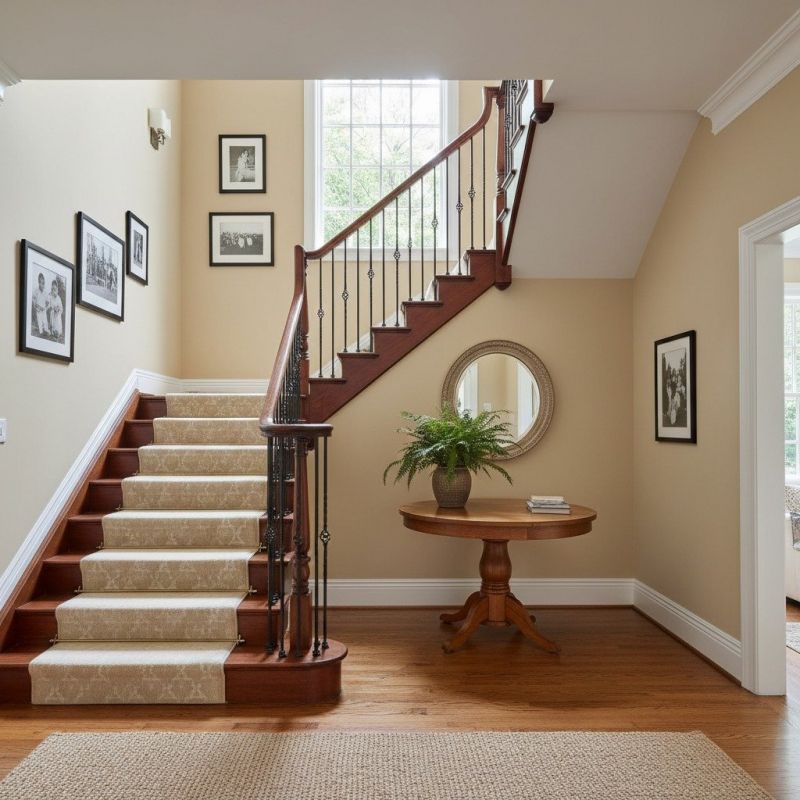
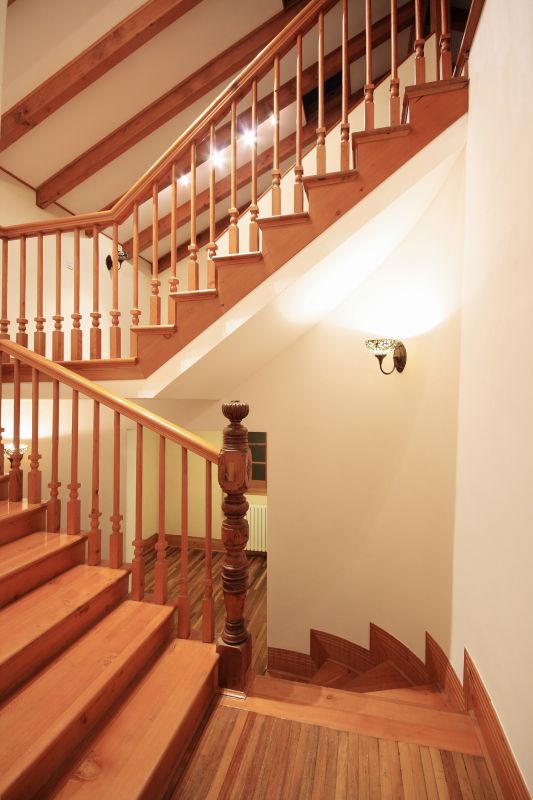
Interior stairs installation is a common project for property owners looking to improve accessibility, update their home’s interior, or replace aging or damaged stairways. Whether renovating a basement, upgrading an existing staircase, or adding a new level to a property, local contractors can provide the expertise needed to handle these projects efficiently. Many property owners seek these services to enhance their home’s safety, improve flow between floors, or simply modernize the interior design.
Homeowners often turn to local service providers for interior stairs installation when undertaking remodeling projects or addressing structural concerns. A well-installed staircase can also add value to a property and create a more functional living space. Local contractors are equipped to handle a variety of styles and materials to match the aesthetic preferences of property owners, making it easier to achieve a cohesive look within the home.
What types of interior stairs can local contractors install? Local service providers can install various types of interior stairs, including straight, spiral, L-shaped, and U-shaped designs, tailored to fit different spaces and styles.
How do contractors ensure the stairs are built safely and securely? Local contractors follow standard building practices and use quality materials to ensure the stairs are stable, durable, and compliant with safety guidelines.
Can local pros customize interior stairs to match existing decor? Yes, service providers can customize stair materials, finishes, and styles to complement the interior design and aesthetic preferences.
What are common materials used for interior stairs installation? Common materials include wood, metal, glass, and composite options, which can be selected based on style and functional needs.
How do contractors handle space limitations when installing interior stairs? Local pros assess the available space and design stair configurations that maximize functionality while fitting within the designated area.
Upgrade interior stairs - property owners can enhance the look and functionality of their homes by installing new stairs that match their interior design.
Add a staircase to a basement - homeowners remodeling or finishing a basement can use local contractors to create safe and stylish stairways.
Replace worn or damaged stairs - replacing old or broken stairs can improve safety and update the aesthetic of a property.
Design custom staircases - property owners can work with local pros to develop unique staircase designs that complement their space and style.
If you are thinking about Interior Stairs Installation for a property, this guide is meant to help you understand the work, the typical project types, and how different options might fit your plans.
When you are ready, you can use the quote form on this page to share a few details about your project. From there, local pros can review the basics and respond with options that match what you have in mind.